Natural astaxanthin.Formulated for higher bioavailability.
AstaNANO® is ASXAN’s brand for natural astaxanthinformulations and delivery technology. Its CWS cold-water-soluble microencapsulated powders and nano-emulsions support the development of dietary supplements, nutraceuticals and skincare products.
Built on NEC-3D encapsulation and interfacial engineering, both formats are designed to enhance absorption and bioavailability, with astaxanthin protection and odor management.
AstaNANO is ASXAN’s natural astaxanthin formulation and delivery technology brand, registered in New Zealand in 2021.
NEC-3D Technology
Interfacial Engineering
Natural astaxanthin is oil-soluble, practically insoluble in water, and sensitive to oxygen, light and heat.NEC-3D interfacial engineering technologyuses microencapsulation and nano-encapsulation to protect astaxanthin and improve its delivery. CWS powder supports dry blending and cold-water reconstitution; the nano-emulsion is easy to incorporate into liquid nutrition and water-based skincare formulations.
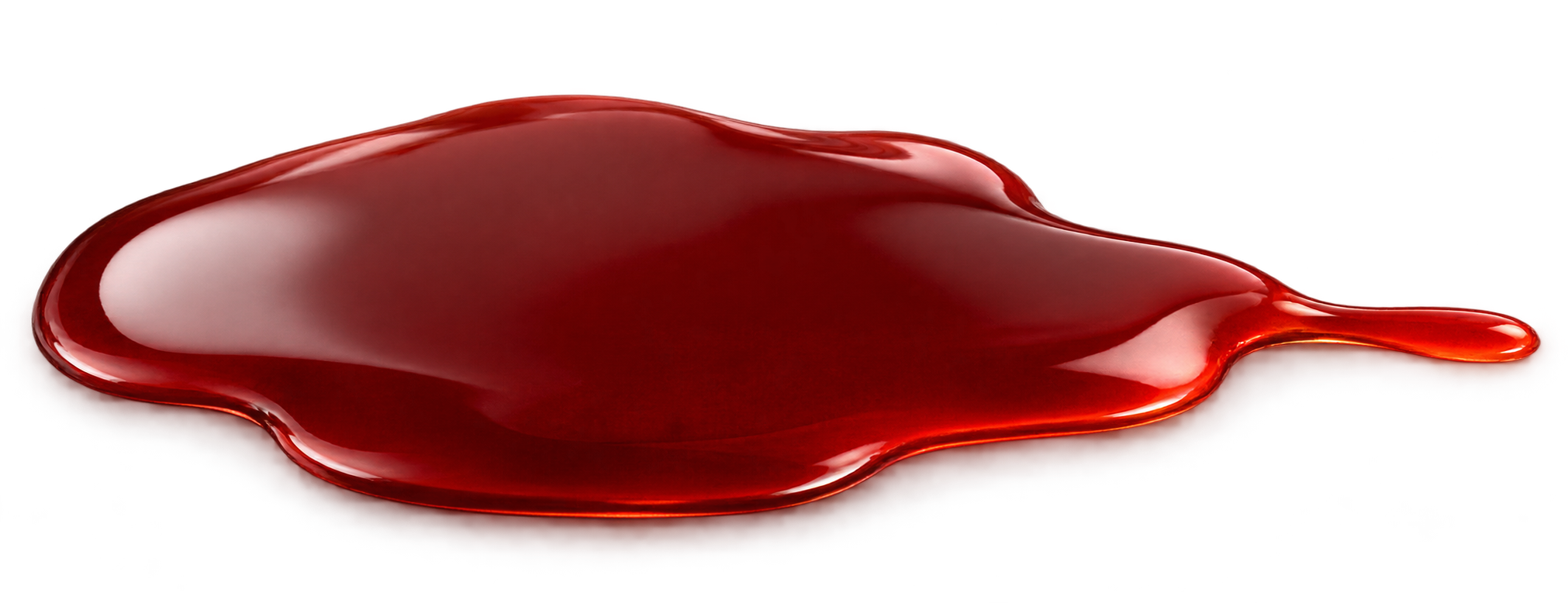
Natural Astaxanthin Source OilTwo formulation types through NEC-3D
Microencapsulation
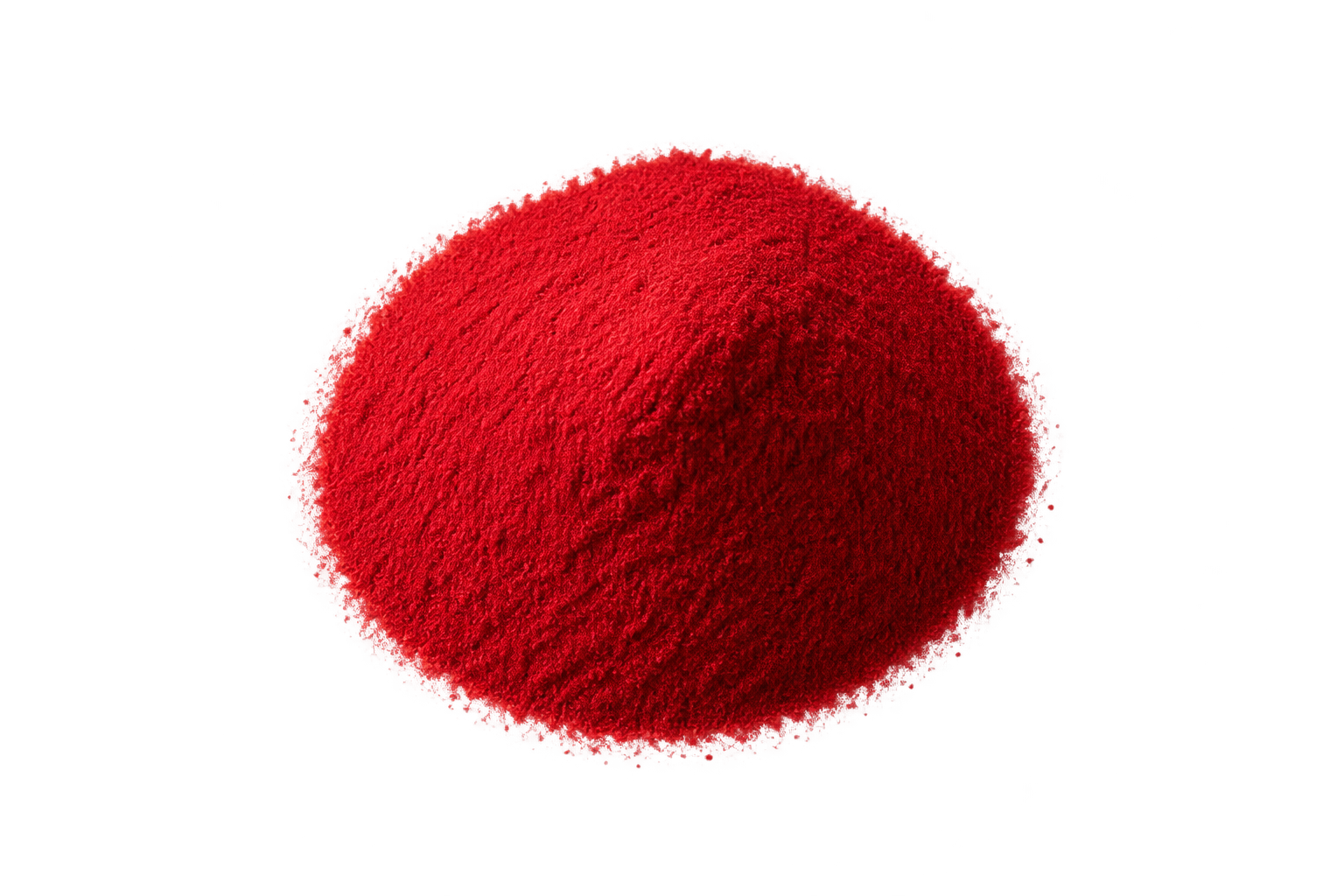
CWSCold water soluble microencapsulated powder
Emulsification and spray drying encapsulate natural astaxanthin oil in a polysaccharide matrix to produce a cold water soluble microcapsule powder. The matrix protects the active and turns an oil-based ingredient into a powder that is convenient to dose, dry-blend and reconstitute in cold water.
Powder sachets · Reconstituted drinks · Tablets · Hard capsules
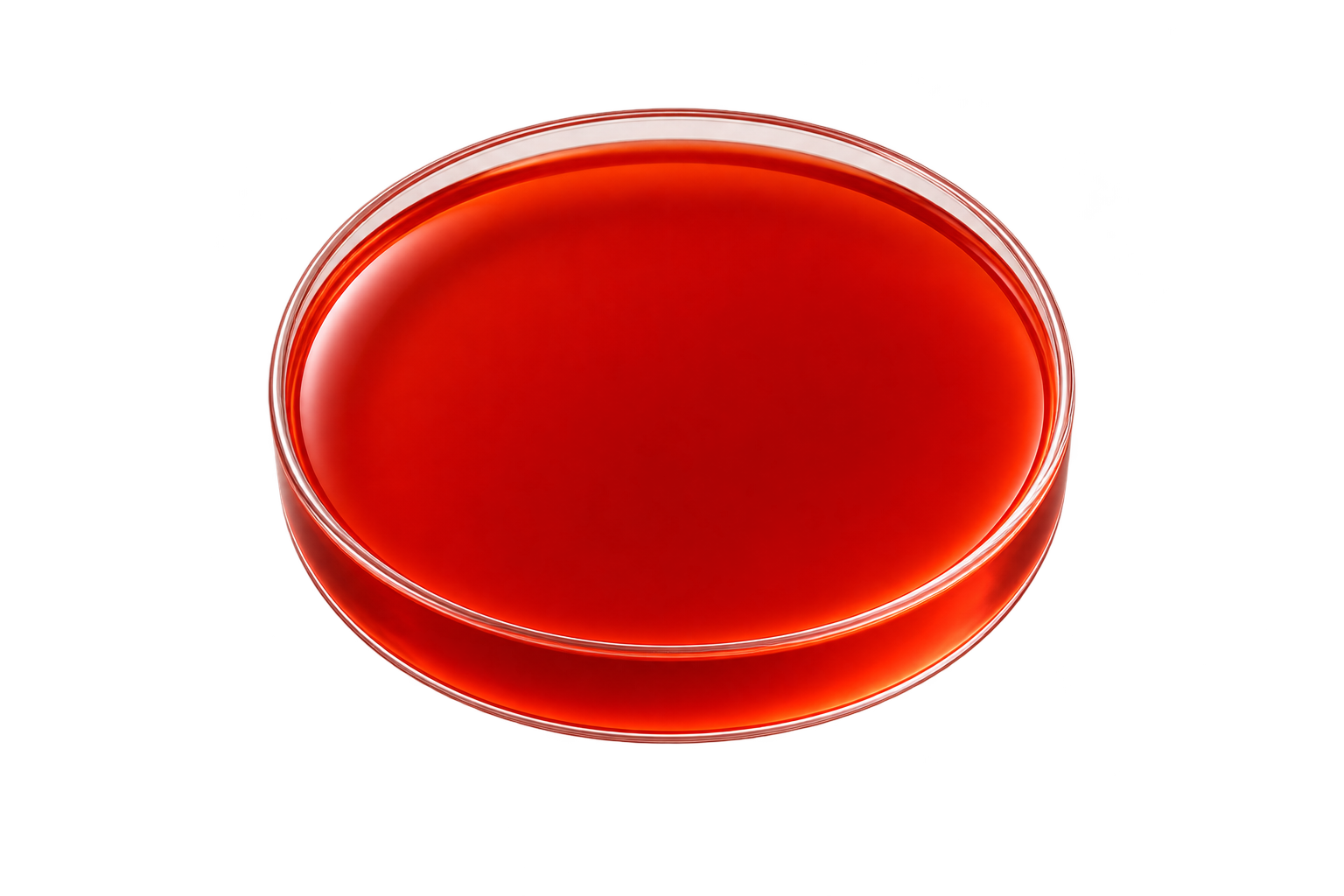
Ultra-high-pressure homogenization reduces emulsion droplets to the nanoscale, while a non-ionic interface maintains uniform dispersion. The nanoemulsion droplets reduce visible-light scattering, giving the emulsion a clear, transparent appearance while retaining its natural color. It is easy to incorporate into premium liquid nutrition and water-based skincare formulations.
Nutrient absorption: protects astaxanthin and promotes its digestive release and intestinal absorption, helping improve bioavailability.
Water-based skincare: disperses oil-soluble astaxanthin uniformly in serums and other water-based formulations, promoting active release and skin delivery.
Biocompatibility: AstaNANO Nano-Emulsion uses a biocompatible, non-ionic emulsifier system as a carrier for active delivery in nutrition and skincare applications.
OIL · CWS · NANO-EMULSION
Scale comparison: source oil and two delivery forms.
Compare the scales of the two delivery forms, using the bulk oil phase as a visual reference.
Natural astaxanthin is fat-soluble and insoluble in water. AstaNANO turns an oil phase containing natural astaxanthin into nanoscale droplets, combining uniform dispersion, active protection and delivery in a form suited to water-based formulations.
Schematic of a nonionic interface.
Amphiphilic interface: stable dispersion and active protection
Non-ionic emulsifiers at the droplet surface have both oil-loving and water-loving regions. Their oil-loving regions face the oil core, while their water-loving regions face the surrounding water, helping keep the droplets evenly dispersed and slowing coalescence and phase separation.
The oil core and its surrounding interface create a protective microenvironment for astaxanthin, helping slow degradation and preserve its activity.
Biocompatibility for nutrition and skincare
AstaNANO uses a biocompatible, non-ionic emulsifier system, providing a carrier suitable for contact with cells and tissues in oral nutrition and topical skincare applications.
Active release and delivery
In oral applications, nanoscale droplets increase the oil–water interfacial area, facilitating digestive enzyme action and astaxanthin release to help improve oral bioavailability. In topical skincare, the fine droplets and emulsifying interface facilitate astaxanthin release and help enhance skin penetration and local delivery.
The pre-emulsified format is easy to incorporate into nutritional shots, liquid supplements and water-based serums.
Same total oil volume
One larger droplet
Eight smaller droplets
Diameter ×½Total interfacial area ×2
Ideal spherical geometry: S = 6V/d. Interfacial area compared at equal oil volume.
The Same Oil Volume, More Contact Area
At the same oil volume, smaller emulsion droplets provide a larger oil–water interface. This gives digestive enzymes greater access to the emulsified lipids, promoting astaxanthin release and transfer into mixed micelles formed by bile salts and lipid digestion products, making it more accessible for intestinal absorption.
Compare formulation technology and droplet-size research
Two Formulations, Different Technical Priorities
Technical focus
CWS · Cold Water Soluble Powder
Nano-Emulsion
Carrier & protection
Dry encapsulation balances protection and release.A polysaccharide carrier reduces direct contact between the oil core and its surroundings, supporting storage protection, cold-water reconstitution and digestive release.
Nano-encapsulation protects the active and stabilizes dispersion.The non-ionic interface stabilizes nanoemulsion droplets, supporting astaxanthin protection and uniform dispersion in water.
Processing & formulation
Suited to dosing, dry blending, filling and tableting.The powder blends with other dry ingredients, with attention to flow, uniform active content and color, plus odor management for reconstituted products.
A pre-emulsified ingredient for easy incorporation into water-based formulations.A clear, transparent appearance with natural color, plus odor management to reduce masking needs, for liquid nutrition and water-based skincare products.
Formulation conditions
Development reference: pH 3.5–8.Water temperature, mixing and the complete formula affect reconstitution and stability. Appearance after reconstitution depends on the formula and dose.
Initial formulation screening: pH 2.5–7.Acidity, proteins, minerals, heat processing and packaging affect compatibility. Stability evaluation should cover the finished product’s actual conditions.
Product grades
2.5% / 3% astaxanthinCWS cold water soluble microencapsulated powder
1% astaxanthinNano-emulsion
03 · RESEARCH EVIDENCE
The delivery advantages of microcapsule powder and emulsion
Compared with oil, the tested microcapsule powder and emulsion showed clear advantages in both digestive release and cell-model transport. Formulation design and delivery technology enhance astaxanthin release and transport.
In vitro study of external formulations · Oil = 1 for each measure
How much is released from the formulation?
Digestive release
After simulated gastrointestinal digestion, researchers measure the astaxanthin released into the digestive fluid.
≈6×
The tested microcapsule powder released about 6 times as much astaxanthin as the oil formulation.
How readily does it cross the cell layer?
Cell-model transport
Samples collected after digestion are tested for astaxanthin transport across a cell layer that models the intestinal lining.
≈11×
The cell-model transport measure for the tested emulsion was about 11 times that of the oil formulation.
Microcapsule powder and emulsion compared with oil (fold; oil = 1)
Tested formulation
Relative digestive release (fold)Amount released after digestion
Relative cell-model transport (fold)Transport across the cell layer
Oil
1
1
Microcapsule powder
≈6
≈8
Emulsion
≈5
≈11
Caco-2 is a cell model of the intestinal lining. Papp (apparent permeability coefficient) is used to compare astaxanthin transport across this model.
For the tested emulsion, digestive release was about 5 times that of the oil, and the cell-model transport measure was about 11 times as high. Each column uses oil = 1. The values must not be multiplied and do not mean 11-fold absorption in humans.
In vitro comparison of the tested formulations
[2] Food Ferment. Ind. 4* (2023), 18*–18*
Independent human formulation study
The tested encapsulated formulation substantially improved oral bioavailability
≈4.8×
In a human crossover study, the tested potato-protein / olive-oil encapsulated formulation achieved approximately 4.8 times the median plasma astaxanthin AUC of the unencapsulated oleoresin comparator.
13 healthy adults · single 15 mg astaxanthin dose · crossover study
AUC represents plasma exposure over time. The study tested the external formulation described above, not AstaNANO.
[3] Precis. Nanomed. 3 (2020), 64*–65*
These studies illustrate how formulation design can influence astaxanthin release, transport and systemic exposure. AstaNANO offers CWS microcapsule powder and nano-emulsion for different formulation needs.
Human studies of astaxanthin and astaxanthin-containing combinations report benefits for visual comfort, physical performance and skin condition in the populations studied.
Eye health
Relieve eye strain for greater comfort during prolonged screen use.
Human studies of natural astaxanthin and nutrient combinations.
Eye strain & visual comfort
Relief from screen-related eye strain. In a randomized, double-blind trial of 26 screen workers, participants took 5 mg of astaxanthin daily for four weeks. Seven of 13 participants receiving astaxanthin reported that their eye strain had resolved, compared with 1 of 13 receiving placebo—a significant between-group difference[5].
[5] J. Trad. Med. 1* (2002), 17*–17*
Activity & exercise
Better cycling performance. In a randomized, double-blind crossover trial, 12 recreationally trained male cyclists took 12 mg of astaxanthin daily for seven days. Their 40-km time-trial performance was 51 seconds faster on average than with placebo, an improvement of approximately 1.2%[6].
Less post-exercise muscle soreness. In a placebo-controlled study completed by 19 resistance-trained men, 12 mg of astaxanthin daily for four weeks produced greater improvements than placebo in two subjective soreness ratings after eccentric exercise[7].
[6] J. Sci. Med. Sport 2* (2021), 9*–9*[7] Muscles 2 (2023), 22*–23*
Oral beauty
Improved skin hydration and elasticity. A 2021 meta-analysis covering eight oral randomized controlled trials found that pooled results favored astaxanthin-containing supplements over controls for both skin hydration and elasticity[8].
Better moisture retention after controlled UV exposure. In a randomized, double-blind trial with 22 healthy adults included in the analysis, 4 mg of astaxanthin daily for nine weeks reduced skin moisture loss seven days after a controlled 1.15-MED UV challenge, compared with placebo[9].
Lower triglycerides. In a 12-week randomized, double-blind, placebo-controlled trial of 61 adults with mildly elevated triglycerides, astaxanthin at 12 mg and 18 mg daily produced greater reductions in triglycerides than placebo[10].
Higher HDL cholesterol. In the same trial, the 6 mg and 12 mg daily groups achieved greater increases in HDL cholesterol than placebo.
[10] Atherosclerosis (2010) · Human randomized controlled trial
Combination-formula memory
Improved composite and verbal memory. In a 12-week randomized controlled trial, healthy adults aged 40 and over with self-reported memory decline received 9 mg of astaxanthin plus 50 mg of tocotrienols daily. The per-protocol analysis of 36 participants found greater improvements in both memory scores than placebo[11].
Improved episodic memory. A separate 12-week randomized controlled trial in adults aged 40–70 with self-reported memory concerns found that a formula combining astaxanthin, vitamin E and grape juice extract improved episodic memory more than placebo[12].
Stronger immune-cell responses. In an eight-week randomized controlled trial of 42 healthy young women, 8 mg of algal astaxanthin daily increased NK-cell cytotoxic activity and stimulated lymphocyte proliferation measured in blood samples, compared with placebo[13].
Lower oxidative DNA-damage marker. Both the 2 mg and 8 mg daily groups had lower plasma 8-OHdG, a marker of oxidative DNA damage, than placebo from week four onward.
[13] Nutr. Metab. 7 (2010), 1*
Healthy aging: walking & activity
Walking endurance for everyday mobility. A 16-week randomized controlled trial in independently ambulatory nursing-home residents had 24 completers[14]. Both groups received the same tocotrienols and vitamin C. With an additional 24 mg of astaxanthin daily, median six-minute walking distance increased from 333 to 371 metres, versus 326 to 314 metres with placebo; the difference in change was significant.
Improved muscle measures with nutrition and training. A study[15] examined adults aged 65–82 receiving a daily combination of 12 mg astaxanthin, 10 mg tocotrienols and 6 mg zinc for four months, including three months of functional walking training. Within the supplemented group, ankle dorsiflexor strength and tibialis anterior cross-sectional area increased by 14.4% and 2.7%, respectively, from pre-training values.
[14] Int. J. Environ. Res. Public Health 1* (2022), 13***[15] J. Cachexia Sarcopenia Muscle 9 (2018), 82*–83*
05 · APPLICATIONS & INGREDIENT SELECTION
Match the ingredient to your product format.
CWS powder supports dry blending and cold-water reconstitution. Nano-emulsion is easy to incorporate into liquid formulas for premium liquid nutrition and water-based skincare.
DRY BLENDS · COLD-WATER RECONSTITUTION
CWS Powder
Drink powder sachetsTabletsHard capsules
Microencapsulation turns natural astaxanthin oil into a powder for dosing, dry blending and cold-water reconstitution. It can be blended with other powdered ingredients for drink mixes, premixes and solid supplements, including the development of low-turbidity reconstituted drinks. Appearance after reconstitution depends on the formula and addition rate.
A pre-emulsified natural astaxanthin ingredient for incorporation into water-based formulas. In suitable formulas at the intended addition rate, it can provide a clear, transparent appearance while retaining natural color.
Formulation development guidance: pH 2.5–7
The lower-pH development range supports more acidic finished-product formulations.
Liquid nutrition
Liquid supplements · Functional beverages · Shots
A non-ionic interface stabilizes nanoemulsion droplets, dispersing natural astaxanthin uniformly in liquid nutrition formulations. The increased oil–water interface supports digestive release and transfer of astaxanthin into mixed micelles for intestinal uptake.
Astaxanthin, which is practically insoluble in water, is carried in nanoemulsion droplets that disperse in water-based formulations. In a published formulation study, an astaxanthin nanoemulsion showed better skin permeation than an astaxanthin solution.
Nanoemulsions and skin delivery
2017 · External formulation study
An aqueous astaxanthin nanoemulsion showed higher skin permeability than a solution control, with a further increase after carboxymethyl chitosan (CMCS) coating. The findings suggest that changing the carrier composition may help astaxanthin permeate the skin.
CWS can also be reconstituted for use in liquid nutrition formulations. Either ingredient format can be used in beauty-from-within products, depending on the finished-product format. For liquids containing proteins, minerals or multiple actives, compare both at the same target astaxanthin level, considering ingredient addition rate, mixing behavior and processing requirements.
Oil-core encapsulation helps reduce ingredient odor and flavor-masking needs in both formats. Assess the final sensory profile in the complete formula.
Addition rates and processing
Selection factor
CWS Powder
Nano-Emulsion
Processing
CWSDry dosing and blending; assess filling, compression and reconstitution in the intended process.
Nano-EmulsionLiquid dosing and incorporation; assess mixing and subsequent processing.
Appearance
CWSReconstitution behavior, color uniformity and settling.
Nano-EmulsionNatural color, turbidity and physical stability at the target addition rate.
Nutrition sensory profile
CWSOdor and flavor in the dry or reconstituted formula.
Nano-EmulsionOdor and the intended flavor profile in liquid nutrition formulas.
Same astaxanthin target, different ingredient loads
For a formulation target of 1 mg astaxanthin, the stated concentrations correspond to 40 mg of 2.5% CWS, about 33.3 mg of 3% CWS, or 100 mg of 1% emulsion. Calculate actual addition rates from the batch assay and include the accompanying carrier in the total formulation weight.
Performance in the complete formula
For liquids, assess appearance, sensory performance and stability after dilution and processing, including the effects of acidity, other ingredients and heat treatment. Evaluate both formats in complex bases; clarity alone does not decide the choice.
06 · NEC-3D CUSTOM DEVELOPMENT
One technology core. More formulation possibilities.
NEC-3D is the technology at the heart of AstaNANO, with natural astaxanthin formulations as its established flagship application. The platform is already used in algal oil and high-value vitamin products and continues to expand into other fat-soluble ingredients. By adjusting the encapsulating carrier and oil–water interface, the platform improves the protection and dispersion of fat-soluble ingredients, making them easier to combine with other ingredients and use in different formats. This helps customers develop differentiated, higher-value products.
Engineered to improve bioavailability. Find the right format for your next product.
Match CWS powder or nanoemulsion to your product format, target astaxanthin level and processing conditions, with support for formulation and application development.
You can start with a product concept, even if the grade, inclusion level or process is still undecided.
Target product format
Target market
Target active ingredient level, if known
Formulation challenge you would like to address first
Add formulation and processing details
If available, include the formulation base, processing method, packaging and project stage. For skincare projects, you may add appearance and skin-feel targets, pH and preservative system. For other active ingredients, specify the ingredient and development needs.